
We are accepting CDCP – now available for all ages! Click here for details.

Pediatric Dentistry in Grande Prairie: When Should Your Child’s First Visit Be?

pediatric dentistry in grande prairie when should your child's first visit be
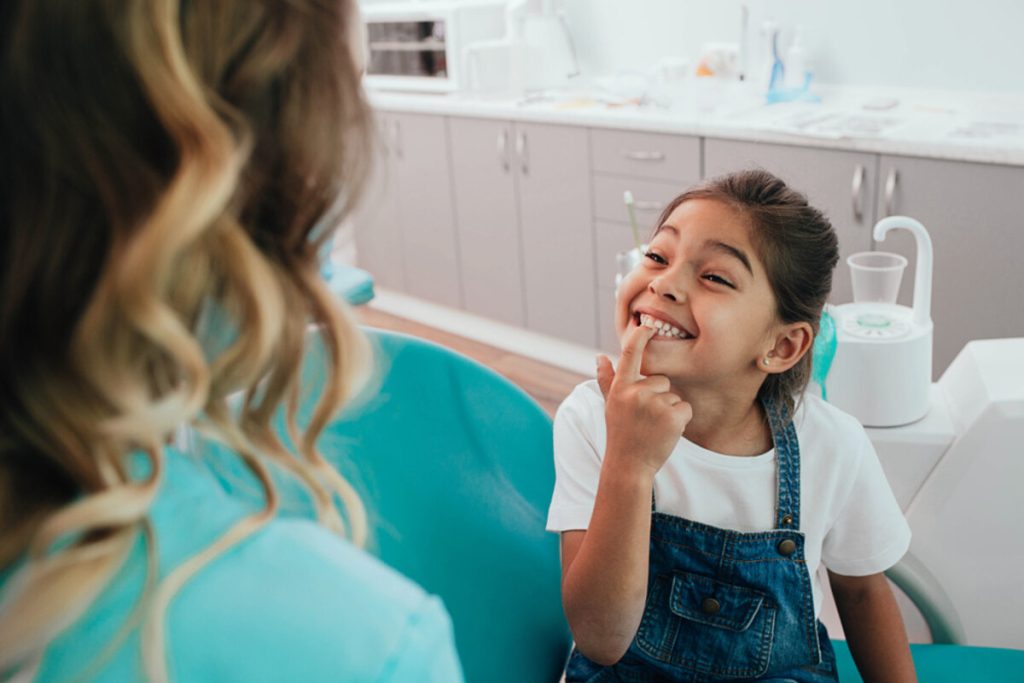
  A child’s first dental visit can help build healthy habits from an early age. It also gives you a chance to learn how to care for your child’s teeth as they grow. A dentist in Grande Prairie can check your child’s teeth, gums, and mouth and look for early signs of problems. The first visit does not always involve treatment. For many children, it is mainly about getting comfortable in the dental setting. Starting at the right age can make future visits easier and help spot concerns before they become harder to manage.

When Should a Child First See a Dentist?

A child should have their first dental visit by their first birthday or within 6 months of their first tooth coming in. Baby teeth are important for eating, speaking, and helping adult teeth grow in the right place. An early visit can also help with questions about brushing, thumb sucking, feeding habits, and tooth development.

What Happens During the First Visit?

The first visit is usually simple and focused on helping the child feel comfortable. Pediatric dentistry in Grande Prairie can include an oral examination, guidance for parents, and age-appropriate advice based on the child’s dental needs. The visit may include:
  • Checking the teeth and gums
  • Looking for early signs of tooth decay
  • Checking how the teeth are developing
  • Discussing brushing and fluoride use
  • Answering questions about feeding and oral habits
  • Helping the child become familiar with dental visits
The exact visit can vary based on the child’s age, comfort level, and oral health.

Why Are Early Dental Visits Important?

Baby teeth can develop cavities even at a young age. Finding a problem early may allow for simpler care and help prevent discomfort. A dentist near you can also provide age-appropriate advice on brushing, snacks, drinks, and other daily habits. Regular visits can help make dental care a normal part of growing up instead of something that only happens when there is a problem.

What If Your Child Is Afraid of the Dentist?

Feeling nervous in a new place is normal, especially for young children. A calm first visit can help your child feel less afraid over time. Helpful tips include:
  • Use simple and positive words when talking about the dentist.
  • Avoid using scary words about dental care.
  • Bring a favourite comfort item if allowed.
  • Choose a time when your child is rested.
  • Tell the dental team if your child feels nervous.
A calm and friendly visit can help your child feel more comfortable at future dental visits.

How Often Should Children Have Dental Visits?

After the first visit, the dental team can suggest a schedule based on your child’s oral health and risk of dental problems. Regular checkups allow changes to be monitored as the child grows. Pediatric dentistry in Grande Prairie can also help track the development of baby and adult teeth over time. The timing of future visits may differ from one child to another.

What Can Parents Do Between Dental Visits?

Daily care at home plays an important role in keeping children’s teeth healthy. Start brushing as soon as the first tooth appears. Simple habits include:
  • Brush twice a day with a soft toothbrush.
  • Use the amount of fluoride toothpaste recommended for your child’s age.
  • Help young children brush until they can do it well on their own.
  • Limit frequent sugary snacks and drinks.
  • Encourage regular water intake.
  • Check the mouth regularly for changes or concerns.

If a toothache, swelling, injury, or unusual change develops, an earlier dental visit may be needed.

When Should You Book a Dental Visit?

A first dental visit should not be delayed until a child has tooth pain. Early checkups can help identify concerns and provide guidance before problems become more serious. If you are looking forpediatric dentistry near you, plan your child’s first dental visit when their first tooth appears or by their first birthday. Starting early can help your child get used to dental visits and build healthy habits as they grow.

Help Your Child Start Dental Care Early!

Early dental care can help your child become comfortable with regular checkups while supporting healthy teeth as they grow. A timely visit also gives you a chance to discuss brushing, tooth development, and any concerns you may have. Book an appointment with Gateway Dentistry Group to check your child’s smile, understand their dental needs, and get practical guidance for keeping their teeth healthy as they grow.

FAQs

At what age should a child first visit the dentist?

The first dental visit is generally recommended by age one or within six months after the first tooth appears.

Will my child need treatment during the first visit?

Not always. The first visit may primarily involve checking the mouth, discussing oral care, and helping the child feel comfortable in the dental setting.

Should a child see a dentist even if there are no teeth problems?

Yes. An early visit can help monitor tooth development and provide advice on brushing, feeding, fluoride use, and other habits.

What if my child cries during the dental visit?

Crying can be a normal response to a new environment. A calm approach and short, age-appropriate visit may help the child become more comfortable over time.
pediatric dentistry in grande prairie when should your child's first visit be
  A child’s first dental visit can help build healthy habits from an early age. It also gives you a chance to learn how to care for your child’s teeth as they grow. A dentist in Grande Prairie can check your child’s teeth, gums, and mouth and look for early signs of problems. The first visit does not always involve treatment. For many children, it is mainly about getting comfortable in the dental setting. Starting at the right age can make future visits easier and help spot concerns before they become harder to manage.

When Should a Child First See a Dentist?

A child should have their first dental visit by their first birthday or within 6 months of their first tooth coming in. Baby teeth are important for eating, speaking, and helping adult teeth grow in the right place. An early visit can also help with questions about brushing, thumb sucking, feeding habits, and tooth development.

What Happens During the First Visit?

The first visit is usually simple and focused on helping the child feel comfortable. Pediatric dentistry in Grande Prairie can include an oral examination, guidance for parents, and age-appropriate advice based on the child’s dental needs. The visit may include:
  • Checking the teeth and gums
  • Looking for early signs of tooth decay
  • Checking how the teeth are developing
  • Discussing brushing and fluoride use
  • Answering questions about feeding and oral habits
  • Helping the child become familiar with dental visits
The exact visit can vary based on the child’s age, comfort level, and oral health.

Why Are Early Dental Visits Important?

Baby teeth can develop cavities even at a young age. Finding a problem early may allow for simpler care and help prevent discomfort. A dentist near you can also provide age-appropriate advice on brushing, snacks, drinks, and other daily habits. Regular visits can help make dental care a normal part of growing up instead of something that only happens when there is a problem.

What If Your Child Is Afraid of the Dentist?

Feeling nervous in a new place is normal, especially for young children. A calm first visit can help your child feel less afraid over time. Helpful tips include:
  • Use simple and positive words when talking about the dentist.
  • Avoid using scary words about dental care.
  • Bring a favourite comfort item if allowed.
  • Choose a time when your child is rested.
  • Tell the dental team if your child feels nervous.
A calm and friendly visit can help your child feel more comfortable at future dental visits.

How Often Should Children Have Dental Visits?

After the first visit, the dental team can suggest a schedule based on your child’s oral health and risk of dental problems. Regular checkups allow changes to be monitored as the child grows. Pediatric dentistry in Grande Prairie can also help track the development of baby and adult teeth over time. The timing of future visits may differ from one child to another.

What Can Parents Do Between Dental Visits?

Daily care at home plays an important role in keeping children’s teeth healthy. Start brushing as soon as the first tooth appears. Simple habits include:
  • Brush twice a day with a soft toothbrush.
  • Use the amount of fluoride toothpaste recommended for your child’s age.
  • Help young children brush until they can do it well on their own.
  • Limit frequent sugary snacks and drinks.
  • Encourage regular water intake.
  • Check the mouth regularly for changes or concerns.

If a toothache, swelling, injury, or unusual change develops, an earlier dental visit may be needed.

When Should You Book a Dental Visit?

A first dental visit should not be delayed until a child has tooth pain. Early checkups can help identify concerns and provide guidance before problems become more serious. If you are looking forpediatric dentistry near you, plan your child’s first dental visit when their first tooth appears or by their first birthday. Starting early can help your child get used to dental visits and build healthy habits as they grow.

Help Your Child Start Dental Care Early!

Early dental care can help your child become comfortable with regular checkups while supporting healthy teeth as they grow. A timely visit also gives you a chance to discuss brushing, tooth development, and any concerns you may have. Book an appointment with Gateway Dentistry Group to check your child’s smile, understand their dental needs, and get practical guidance for keeping their teeth healthy as they grow.

FAQs

At what age should a child first visit the dentist?

The first dental visit is generally recommended by age one or within six months after the first tooth appears.

Will my child need treatment during the first visit?

Not always. The first visit may primarily involve checking the mouth, discussing oral care, and helping the child feel comfortable in the dental setting.

Should a child see a dentist even if there are no teeth problems?

Yes. An early visit can help monitor tooth development and provide advice on brushing, feeding, fluoride use, and other habits.

What if my child cries during the dental visit?

Crying can be a normal response to a new environment. A calm approach and short, age-appropriate visit may help the child become more comfortable over time.
(587) 330-2122