

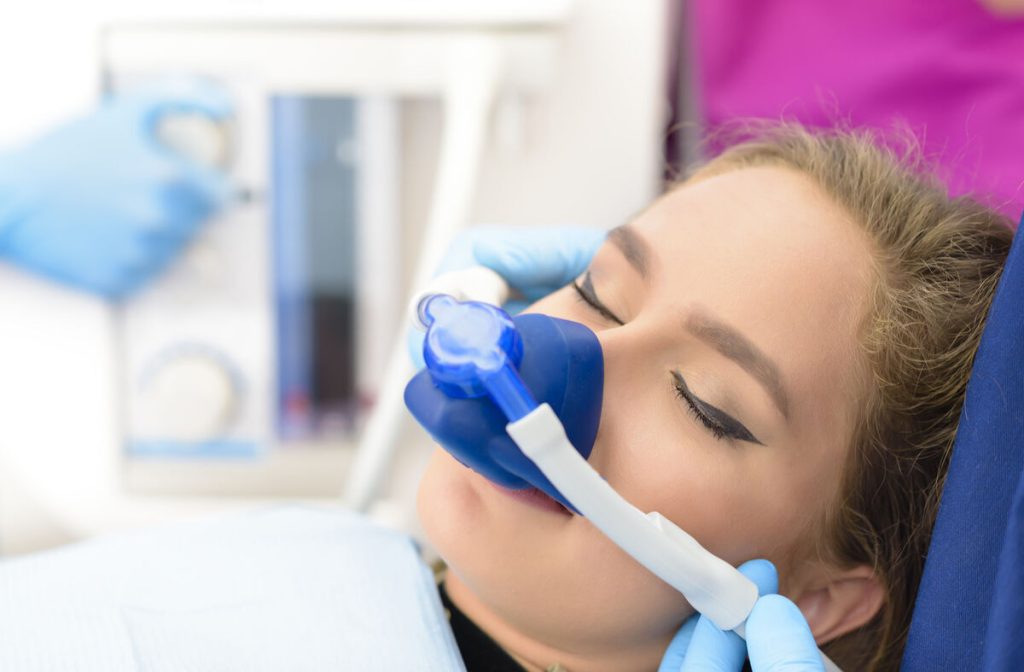
Can IV sedation make dental treatment more comfortable? Yes. Sedation dentistry in Grande Prairie can help patients feel calm and relaxed during dental procedures. IV sedation is often recommended for people with dental anxiety, a strong gag reflex, or those needing longer treatments. It is carefully monitored throughout the appointment to support both comfort and safety. Understanding how IV sedation works and who may benefit from it can help patients make informed decisions about their dental care.
Table of Contents
What Is IV Sedation?
IV (intravenous) sedation is a type of dental sedation that is delivered through a vein. It helps patients relax while remaining responsive to the dental team.
Unlike general anesthesia, IV sedation does not usually make a patient completely unconscious. Many people feel deeply relaxed and remember little about the procedure afterward.
How Does IV Sedation Work?
Before treatment begins, the dental team places a small IV line into a vein, usually in the arm or hand.
The sedation medication is then carefully adjusted throughout the appointment based on the patient’s needs.
During treatment:
- Relaxation begins within a few minutes.
- Breathing and heart rate are monitored.
- Blood pressure and oxygen levels are checked regularly.
- The level of sedation can be adjusted if needed.
Continuous monitoring helps keep the procedure safe and comfortable.
Is IV Sedation Safe?
For most healthy patients, IV sedation is considered safe when provided by trained dental professionals.
Safety begins with a complete review of:
- Medical history
- Current medications
- Allergies
- Previous experiences with sedation
- Overall health
A personalized assessment helps determine whether sedation dentistry near you, including IV sedation, is an appropriate option for your treatment.
Who Is IV Sedation Best For?
IV sedation may benefit people who have difficulty receiving dental care while fully awake.
It may be recommended for patients who:
- Experience moderate to severe dental anxiety
- Have a strong gag reflex
- Need multiple procedures during one visit.
- Have difficulty sitting through lengthy appointments
- Have sensitive teeth or difficulty becoming numb
Not every patient requires sedation, which is why a dental evaluation is important.
Who May Not Be a Good Candidate?
Although IV sedation is suitable for many patients, it may not be appropriate for everyone.
Certain medical conditions, medications, or health concerns may require a different approach.
Before recommending sedation, a dentist in Grande Prairie carefully reviews each patient’s health history to determine the safest treatment option.
What Should You Expect Before the Appointment?
Preparation helps ensure the procedure goes smoothly.
Patients may receive instructions such as:
- Avoid eating or drinking for a certain period before treatment.
- Wear comfortable clothing.
- Arrange for someone to drive home afterward.
- Share a complete list of medications.
- Follow all pre-treatment instructions carefully.
Following these instructions helps improve safety during sedation.
What Happens After IV Sedation?
Recovery begins shortly after the dental procedure is completed.
Most patients experience:
- Drowsiness
- Mild tiredness
- Limited memory of the appointment
- Gradual return to normal alertness
Patients should avoid driving, operating machinery, or making important decisions until the effects have completely worn off.
What Types of Dental Procedures Can Use IV Sedation?
IV sedation may be used for many different dental treatments.
Common examples include:
- Wisdom tooth removal
- Dental implant placement
- Multiple fillings
- Tooth extractions
- Periodontal treatment
- Complex restorative procedures
The decision depends on both the procedure and the patient’s comfort needs.
How Can You Prepare for a Comfortable Recovery?
Simple steps after treatment help support recovery.
Helpful tips include:
- Rest for the remainder of the day.
- Drink water as instructed.
- Eat soft foods if recommended.
- Take medications exactly as directed.
- Attend follow-up appointments if scheduled.
Most patients return to their usual routine the following day unless instructed otherwise.
Why Is a Professional Consultation Important?
Every patient responds differently to sedation.
A dentist near you can evaluate:
- Anxiety level
- Medical history
- Planned dental treatment
- Current health conditions
- Individual comfort needs
This allows the most appropriate sedation option to be selected safely.
Feel More Comfortable During Your Dental Visits!
Dental treatment does not have to feel overwhelming. The right sedation option can help make appointments more comfortable while allowing necessary care to be completed safely and efficiently. Schedule a consultation with Gateway Dentistry Group to discuss your comfort concerns, learn about available sedation options, and receive personalized care designed to help you enjoy a more relaxed dental experience.
FAQs
How long does IV sedation last?
The effects vary depending on the medication used and the individual, but drowsiness may continue for several hours after treatment.
Can someone drive home after IV sedation?
No. Patients should arrange for a responsible adult to drive them home after the appointment.
Is IV sedation only used for major dental procedures?
No. It may also be recommended for patients with significant dental anxiety, even during less complex treatments.
How do dentists decide if IV sedation is appropriate?
The decision is based on the patient’s medical history, anxiety level, planned treatment, and overall health after a thorough dental evaluation.