We are accepting CDCP – now available for all ages! Click here for details.

Teeth Grinding (Bruxism): What Causes It and How to Stop the Damage

teeth grinding (bruxism) what causes it and how to stop the damage

Teeth grinding, also known as bruxism, is a common condition that can happen during sleep or while awake. Some people grind or clench their teeth without noticing it until pain or other symptoms begin. Visiting a dentist in Grande Prairie may help identify signs of teeth grinding early, before the condition causes more serious dental damage.

Over time, teeth grinding may place pressure on the teeth, jaw, and surrounding muscles. Without proper care, bruxism may lead to tooth damage, jaw discomfort, and other oral health problems.

What Is Bruxism?

Bruxism is the habit of grinding or clenching the teeth. Some people grind their teeth while sleeping, while others clench their teeth during stress or daily activities.

Teeth grinding may happen occasionally or more often, depending on the cause. In many cases, people may not realize they have bruxism until symptoms start affecting their comfort.

Common Causes Of Teeth Grinding

Bruxism can happen for several reasons. Stress and sleep problems are some of the most common causes.

Possible causes may include.

  • Stress or anxiety
  • Sleep disorders
  • Bite problems
  • Jaw alignment issues

Certain habits like smoking, drinking alcohol, or consuming too much caffeine may also increase the risk of teeth grinding over time.

Signs And Symptoms Of Bruxism

Many people do not know they grind their teeth until symptoms become noticeable. Recognizing early signs may help prevent more serious dental problems later.

Common symptoms may include.

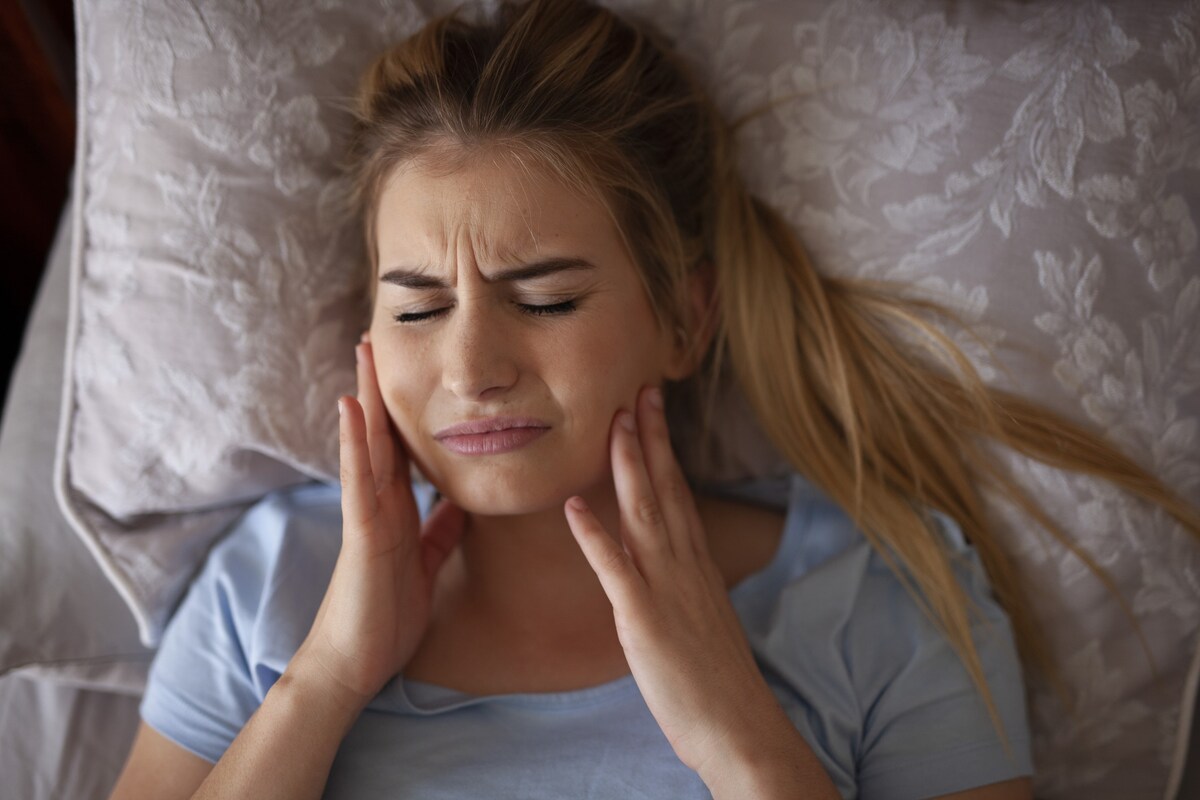
  • Jaw pain or tightness
  • Headaches
  • Sensitive teeth
  • Chipped or worn teeth

Some people may also notice ear discomfort or difficulty opening the mouth comfortably during daily activities like eating, speaking, or yawning throughout the day.

How Teeth Grinding Can Damage Teeth

Constant grinding may place too much pressure on the teeth and jaw. Over time, this pressure may wear down the teeth and affect oral health.

Teeth grinding may lead to.

  • Cracked teeth
  • Tooth wear
  • Gum irritation
  • Jaw soreness

Severe grinding may also damage fillings, crowns, and other dental work while increasing the risk of future dental problems and oral discomfort.

Why Early Treatment Matters

Early treatment may help reduce damage caused by bruxism. Finding the problem early may also help prevent more serious dental concerns later.

Early care may help with.

  • Protecting tooth enamel
  • Reducing jaw pain
  • Preventing cracked teeth
  • Improving sleep comfort

Regular dental checkups may help identify signs of grinding before symptoms become harder to manage and start affecting your daily comfort and oral health.

Treatment Options For Bruxism

Treatment for bruxism depends on the cause and severity of the condition. The main goal is to protect the teeth and reduce pressure on the jaw.

Treatment options may include.

  • Night guards
  • Stress management
  • Bite adjustments
  • Relaxation techniques

A custom night guard may help protect the teeth from grinding damage during sleep while improving comfort and supporting better jaw protection.

How Stress Affects Teeth Grinding

Stress is one of the most common causes of teeth grinding. Some people clench their teeth during stressful situations without realizing it.

Stress-related grinding may become worse during.

  • Busy work schedules
  • Poor sleep
  • Anxiety
  • Emotional stress

Managing stress through healthy habits and relaxation techniques may help reduce teeth grinding and ease jaw tension over time.

When To Visit A Dentist

Teeth grinding should not be ignored if symptoms continue or become painful. A dental exam may help identify damage and determine the right treatment.

You should visit the dentist if you notice.

  • Frequent jaw pain
  • Tooth sensitivity
  • Chipped teeth
  • Morning headaches

If you are searching for a dentist near you because of teeth grinding symptoms, early treatment may help protect your teeth and improve daily comfort.

Protect Your Teeth From Grinding Damage

Teeth grinding can affect your teeth, jaw, and overall oral comfort if it is not treated early. Getting dental care on time may help prevent further damage and maintain oral health. Gateway Dentistry Group provides caring dental treatment in a comfortable setting. Contact us today to book your appointment.

Frequently Asked Questions

What is bruxism?

A habit of grinding or clenching the teeth, often during sleep or stressful situations, is called bruxism.

Can bruxism affect my teeth?

Bruxism may wear down the teeth and lead to cracks, sensitivity, or jaw pain.

What are common signs of nighttime teeth grinding?

Jaw soreness, morning headaches, sensitive teeth, and worn tooth surfaces are common signs of nighttime grinding.

Is stress linked to teeth grinding?

Stress and anxiety may increase the risk of clenching or grinding the teeth.
teeth grinding (bruxism) what causes it and how to stop the damage

Teeth grinding, also known as bruxism, is a common condition that can happen during sleep or while awake. Some people grind or clench their teeth without noticing it until pain or other symptoms begin. Visiting a dentist in Grande Prairie may help identify signs of teeth grinding early, before the condition causes more serious dental damage.

Over time, teeth grinding may place pressure on the teeth, jaw, and surrounding muscles. Without proper care, bruxism may lead to tooth damage, jaw discomfort, and other oral health problems.

What Is Bruxism?

Bruxism is the habit of grinding or clenching the teeth. Some people grind their teeth while sleeping, while others clench their teeth during stress or daily activities.

Teeth grinding may happen occasionally or more often, depending on the cause. In many cases, people may not realize they have bruxism until symptoms start affecting their comfort.

Common Causes Of Teeth Grinding

Bruxism can happen for several reasons. Stress and sleep problems are some of the most common causes.

Possible causes may include.

  • Stress or anxiety
  • Sleep disorders
  • Bite problems
  • Jaw alignment issues

Certain habits like smoking, drinking alcohol, or consuming too much caffeine may also increase the risk of teeth grinding over time.

Signs And Symptoms Of Bruxism

Many people do not know they grind their teeth until symptoms become noticeable. Recognizing early signs may help prevent more serious dental problems later.

Common symptoms may include.

  • Jaw pain or tightness
  • Headaches
  • Sensitive teeth
  • Chipped or worn teeth

Some people may also notice ear discomfort or difficulty opening the mouth comfortably during daily activities like eating, speaking, or yawning throughout the day.

How Teeth Grinding Can Damage Teeth

Constant grinding may place too much pressure on the teeth and jaw. Over time, this pressure may wear down the teeth and affect oral health.

Teeth grinding may lead to.

  • Cracked teeth
  • Tooth wear
  • Gum irritation
  • Jaw soreness

Severe grinding may also damage fillings, crowns, and other dental work while increasing the risk of future dental problems and oral discomfort.

Why Early Treatment Matters

Early treatment may help reduce damage caused by bruxism. Finding the problem early may also help prevent more serious dental concerns later.

Early care may help with.

  • Protecting tooth enamel
  • Reducing jaw pain
  • Preventing cracked teeth
  • Improving sleep comfort

Regular dental checkups may help identify signs of grinding before symptoms become harder to manage and start affecting your daily comfort and oral health.

Treatment Options For Bruxism

Treatment for bruxism depends on the cause and severity of the condition. The main goal is to protect the teeth and reduce pressure on the jaw.

Treatment options may include.

  • Night guards
  • Stress management
  • Bite adjustments
  • Relaxation techniques

A custom night guard may help protect the teeth from grinding damage during sleep while improving comfort and supporting better jaw protection.

How Stress Affects Teeth Grinding

Stress is one of the most common causes of teeth grinding. Some people clench their teeth during stressful situations without realizing it.

Stress-related grinding may become worse during.

  • Busy work schedules
  • Poor sleep
  • Anxiety
  • Emotional stress

Managing stress through healthy habits and relaxation techniques may help reduce teeth grinding and ease jaw tension over time.

When To Visit A Dentist

Teeth grinding should not be ignored if symptoms continue or become painful. A dental exam may help identify damage and determine the right treatment.

You should visit the dentist if you notice.

  • Frequent jaw pain
  • Tooth sensitivity
  • Chipped teeth
  • Morning headaches

If you are searching for a dentist near you because of teeth grinding symptoms, early treatment may help protect your teeth and improve daily comfort.

Protect Your Teeth From Grinding Damage

Teeth grinding can affect your teeth, jaw, and overall oral comfort if it is not treated early. Getting dental care on time may help prevent further damage and maintain oral health. Gateway Dentistry Group provides caring dental treatment in a comfortable setting. Contact us today to book your appointment.

Frequently Asked Questions

What is bruxism?

A habit of grinding or clenching the teeth, often during sleep or stressful situations, is called bruxism.

Can bruxism affect my teeth?

Bruxism may wear down the teeth and lead to cracks, sensitivity, or jaw pain.

What are common signs of nighttime teeth grinding?

Jaw soreness, morning headaches, sensitive teeth, and worn tooth surfaces are common signs of nighttime grinding.

Is stress linked to teeth grinding?

Stress and anxiety may increase the risk of clenching or grinding the teeth.

(587) 330-2122