

Do you have a gap between your front teeth and want to fix it for good? Visiting a dentist in Grande Prairie is the first step to finding out why the gap is there and what treatments can help. Gaps, called diastemas, can happen because of genetics, habits like thumb-sucking, or uneven tooth and jaw size. Today’s dental treatments can close gaps safely, effectively, and make your smile look great.
Table of Contents
Common Causes of Gaps Between Front Teeth
Understanding the reason for a gap is important before fixing it. Reasons Include Naturally:
- Family traits: Some people naturally have spaces because of their jaw or tooth size.
- Childhood habits: Thumb-sucking or using a pacifier for a long time can push teeth apart.
- Missing teeth: If nearby teeth are missing, front teeth can move and create a gap.
- Gum disease: Bone loss from gum issues can create space between teeth.
Identifying the root cause helps a dental clinic near you design a treatment plan that addresses both function and appearance.
Treatment Options for Spaced Teeth
There are a few ways to close gaps between front teeth for good. Your dentist will choose the best option based on your teeth and what you want.
Braces or Clear Aligners
- Braces slowly move teeth to close gaps.
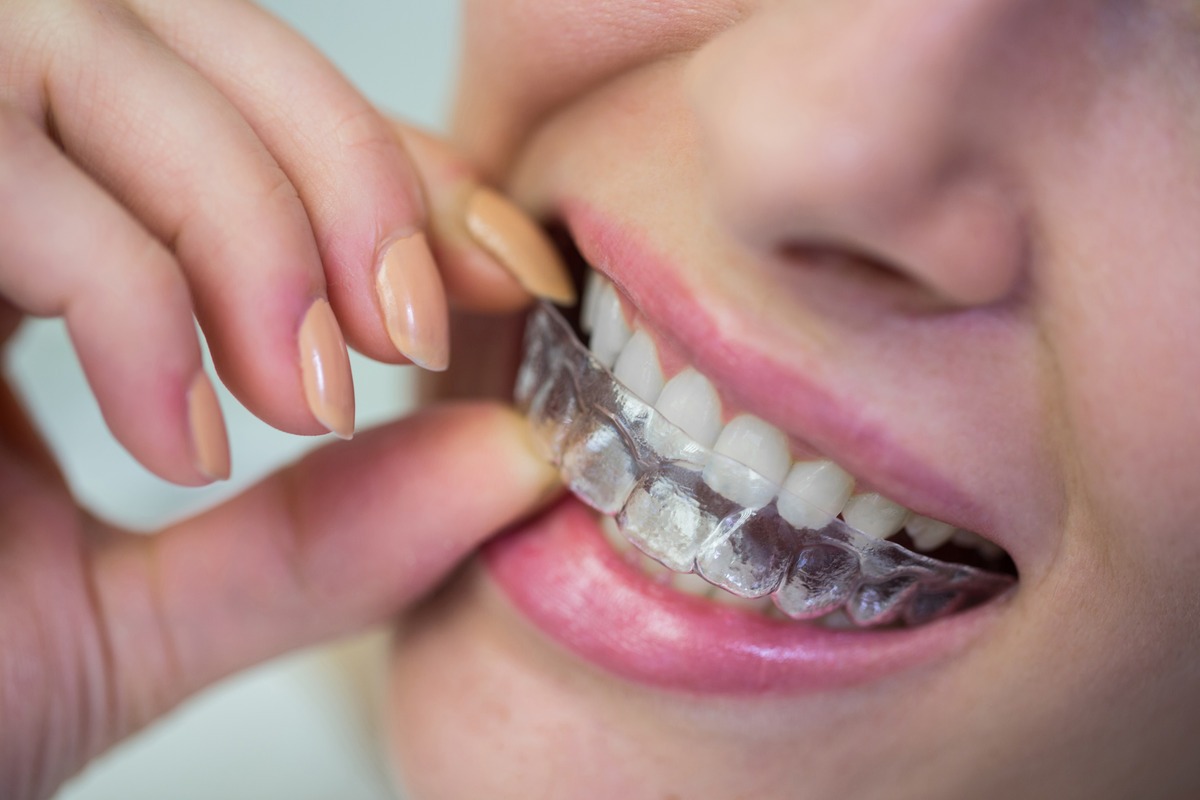
- Clear aligners, like Invisalign, are almost invisible and can be taken out.
- Both work well for several gaps or bite problems.
Dental Bonding
- Tooth-colored resin is applied to the teeth to fill small gaps.
- Quick and minimally invasive.
- Ideal for minor spacing, but may require touch-ups over time.
Veneers
- Thin porcelain covers are put on your teeth to close gaps and make them look nicer.
- They last a long time if you take care of them.
- Good for bigger gaps or for improving the look of your smile.
Crowns
- Used when teeth are damaged or require reshaping.
- Can close gaps while restoring tooth strength.
Frenectomy
If a large tissue between the front teeth causes spacing, a minor surgical procedure can help.
A dentist in Grande Prairie can assess your teeth and recommend the most effective permanent solution.
How Long Does It Take to Close a Tooth Gap?
Patients often ask, “How long does it take to close a tooth gap?” The timeline varies depending on the chosen treatment:
- Braces or aligners: Usually 6 months to 2 years for full correction.
- Bonding or veneers: Can be done in 1–2 appointments, often within a few weeks.
- Crowns: Typically require 2–3 visits.
- Frenectomy: Healing is fast, but tooth movement may still require braces or aligners afterward.
Your dental clinic near you can provide a clear estimate based on your specific teeth and treatment plan.
Is It Possible to Close a Tooth Gap Permanently?
Yes, a gap between teeth can be closed for good, but it depends on the treatment and how well you care for your teeth:
- Braces and aligners: Keep teeth straight for a long time if you wear your retainer.
- Bonding and veneers: Can last many years with good care, but may need to be replaced later.
- Addressing underlying causes: Correcting habits or tissue issues prevents gaps from reappearing.
Proper follow-up care and retainer use are essential for maintaining results after orthodontic treatment.
Tips for Maintaining a Gap-Free Smile
After your gap is closed, it’s important to keep your teeth in place:
- Wear your retainer: Use it as your dentist tells you to stop teeth from moving back.
- Keep your mouth healthy: Brush and floss to keep your teeth and gums strong and prevent new gaps.
- Regular dental check-ups: Early detection of shifting or gum issues keeps teeth aligned.
- Avoid harmful habits: Thumb-sucking, nail-biting, or using teeth as tools can reopen gaps.
If you carry out the following steps, you will have a beautiful and healthy smile for a long time to come.
Benefits of Closing Front Teeth Gaps
A gap between the front teeth or diastema can be treated with a dental procedure:
- Better smile: Boosts your confidence.
- Healthier bite: Teeth share pressure evenly.
- Clearer speech: Can help fix a small lisp caused by gaps.
- Easier clean-up: The presence of spaces allows bits of food and plaque to get trapped. By closing down these spaces, you can prevent cavities and gum issues.
A Grande Prairie dentist will choose the best treatment to ensure your teeth look great, work well, and remain healthy for years to come.
Expert Guidance to Keep Your Teeth Aligned!
You can get a beautiful smile without gaps with the help of a dentist and a treatment plan made just for you. Keep your teeth healthy and straight while boosting your confidence by booking a visit with Gateway Dentistry Group today. Let their experienced team help you get a bright, long-lasting smile you’ll love to show off.
FAQs
What is the best way to fix a gap between teeth?
The best treatment depends on how big the gap is, your dental health, and what you want. Options include braces, clear aligners, bonding, veneers, or crowns.
How long does it take to close a tooth gap for good?
It depends. Small gaps with bonding can be fixed in a few weeks, but braces or aligners may take months or even a few years.
Can a tooth gap be closed for good?
Yes! With the right treatment and care, gaps can be closed permanently, especially with braces or veneers.
Can gaps come back after treatment?
Gaps may reappear if you don’t wear your retainer or continue with other habits like thumb sucking. Dental check-ups on a regular basis help keep your teeth in place.