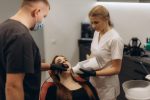


Adults with physical, cognitive, developmental, or sensory disabilities frequently have particular challenges while navigating dental treatment. Maintaining good oral health greatly depends on finding a dentist in Grande Prairie who is accommodating and provides individualized, empathetic care.
Overall wellness is strongly impacted by oral health, yet basic care is often difficult for persons with special needs. True accessibility requires a careful, considerate strategy focused on patient comfort and dignity, not just a ramp at the front door.
Understanding what an inclusive visit entails helps you or your loved one feel at ease, prepared, and fully supported.
Table of Contents
Why Specialized Dental Care Matters for Adults with Special Needs
Adults with disabilities may experience a higher risk of dental complications, including gum disease, tooth decay, dry mouth, and jaw joint discomfort. These conditions can stem from physical difficulties with daily brushing, medication side effects, or sensory sensitivities that make oral hygiene challenging.
Preventive therapies can address small problems before they become excruciating situations, especially when professional care is available. To create reasonable habits and foster long-term trust, a committed dental staff works together with patients, caregivers, and family members.
Physical Accessibility and Infrastructure
Physical obstacles are eliminated as soon as a patient pulls into the parking lot of a completely accessible clinic. Physical accommodations should be easy and stress-free when you search for a dentist near you.
Important aspects of physical accessibility usually consist of:
- Parking spots near the clinic entrance that are designated as
barrier-free.
- Wheelchairs and motorized scooters can be accommodated by wide doorways, ground-level entry, or smooth ramps.
- Hallways and treatment rooms designed with generous clearance for mobility devices.
- Wheelchair-accessible washrooms with grab bars and low sinks.
- Specialized dental chairs that allow transfers, or the ability to perform examinations directly in a patient’s custom wheelchair when necessary.
Customized Communication and Pacing
Each patient has a unique way of communicating and processing information. Clear, flexible communication techniques that are customized for each person are highly valued in accessible dental treatment.
Dental teams use several gentle techniques:
- Show-Tell-Do Techniques: Giving a brief explanation of a step, demonstrating the tool with a finger, and then carefully carrying out the activity.
- Alternative Communication Tools: Using visual aids, picture boards, or hand signals to facilitate communication with non-verbal individuals.
- Unrushed Appointments: Booking extra time so the visit moves at a calm pace with plenty of breaks.
- Caregiver Involvement: Working closely with family members or support staff who are most familiar with the patient’s comfort triggers.
Managing Sensory Needs and Comfort
Patients with sensory abnormalities may feel overwhelmed by bright lights, loud noises, and novel textures. Simple changes are made to support inclusive practices:
- Dimmed lights or protective sunglasses.
- Noise-canceling headphones or your favorite music.
- Weighted blankets or supportive pillows for extra comfort.
- Early introductions to dental materials so patients can touch or taste them first.
Comprehensive General Dentistry and Sedation Options
The foundation of general dentistry in Grande Prairie is preventive treatment, which includes examinations, X-rays, and cleanings. Safe sedation solutions can reduce tension during visits when conventional methods are insufficient:
- Nitrous Oxide (Laughing Gas): A mild option that helps patients stay relaxed while fully awake.
- Oral Conscious Sedation: A tablet taken before the visit that brings deep relaxation while allowing communication.
- IV Sedation: Offers deeper sedation for complex care or high anxiety.
Sedation ensures necessary care is completed safely without distress or trauma.
How Caregivers Can Prepare for a Visit
Caregivers can help set up a smooth appointment with a few proactive steps:
- Inform the office in advance of any medical histories, mobility requirements, and sensory preferences.
- Schedule appointments during the patient’s optimal time of day.
- To gain familiarity, practice dental routines at home.
- Bring your go-to comfort things, such as a blanket or fidget toy.
A Supportive Partner for Your Oral Health
Everyone in our community should have access to safe, comfortable dental care. The caring staff at Gateway Dentistry Group is committed to providing patients of all abilities with respect, tolerance, and individualized treatment.
Our office is prepared to assist you, whether you are seeking special accommodations for a family member or arranging a routine examination. Contact our welcoming practice today to discuss how we can customize your next visit!
Frequently Asked Questions
How can I prepare for the office before my loved one’s first visit?
Contact the clinic beforehand to share medical needs, sensory triggers, and helpful calming techniques.
Can a cleaning be done while the patient stays in their wheelchair?
Yes. Many accessible clinics perform exams and cleanings right in the patient’s custom wheelchair.
Is sedation dentistry safe for adults with complex medical conditions?
Yes. Your dentist will carefully review medical history and medications to select the safest option.
What happens if the patient gets overwhelmed during the appointment?
The team will immediately pause, lower sensory inputs, take breaks, or reschedule into shorter visits.
How often should adults with special needs see the dentist?
It’s usually ideal to schedule visits every three to four months to address brushing difficulties or prescription side effects.