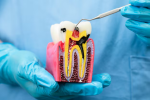


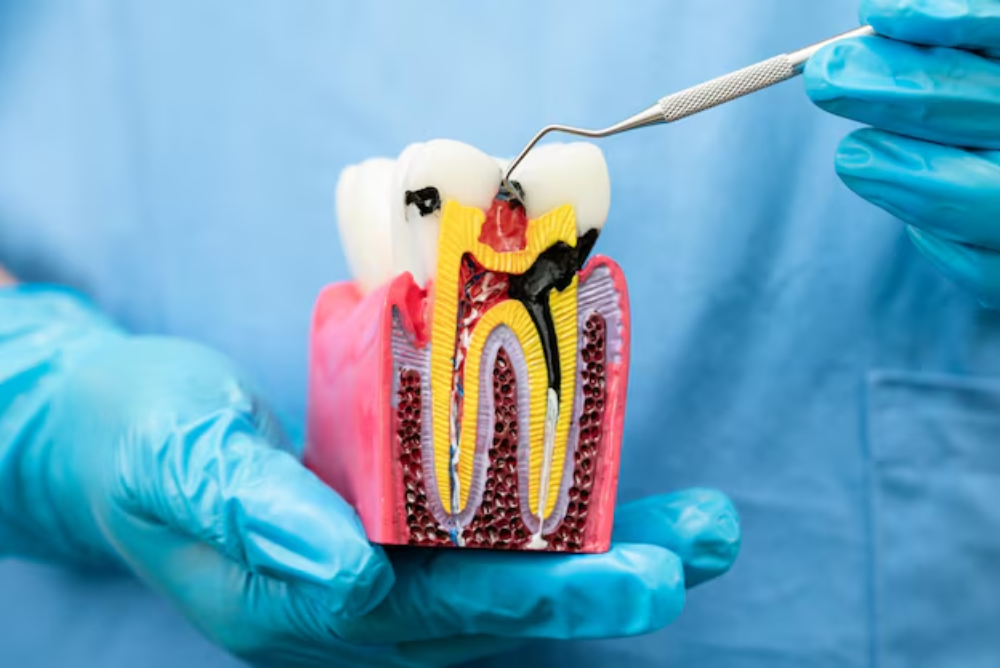
Root canal therapy is necessary when the soft inner tissue of your tooth, known as the pulp, becomes inflamed or infected due to deep decay, repeated dental procedures, or a crack in the tooth.
Common signs include persistent pain, extreme sensitivity to temperature, and gum swelling near the affected area.
Seeking root canal therapy in Grande Prairie early can save your natural tooth and prevent the infection from spreading to the surrounding bone and tissues.
Table of Contents
What Are the Most Common Signs of a Tooth Infection?
The most obvious indicator that you might need help is a deep, throbbing ache that does not go away with over-the-counter medicine. You may notice that the pain gets worse when you lie down or when you apply pressure to the tooth while chewing.
If you are searching for a dentist near you because of a “zinging” sensation that lingers after drinking hot coffee or cold water, it is a strong sign that the nerve is damaged.
Another symptom to watch for is a change in the color of the tooth. If a single tooth begins to look grey or dark compared to the others, the internal tissue may be dying.
You might also notice a small bump on the gums that looks like a pimple, which is often a sign of an abscess that needs immediate professional attention to stop the spread of bacteria.
Is Swelling a Reason to See a Dental Professional?
Swelling is the body’s natural response to an infection, and in the mouth, it can feel like a tender or puffy area on the gums. If you find a dentist Grande Prairie, AB residents trust, they will likely perform an exam to see if the swelling is localized or spreading.
In some cases, the swelling can even extend to the face or neck, which makes the situation much more urgent.
This inflammation happens because the bacteria inside the tooth are trying to find a way out, creating pressure against the bone and soft tissues.
While the pain might occasionally disappear if the nerve dies completely, the infection is still present and active. Ignoring a swollen gum line can lead to more complex health issues, so it is always better to have it checked as soon as you notice a change.
What Is the Root Canal Treatment Explained Step-by-Step?
Many people feel nervous about this procedure because of old myths, but modern technology has made it as comfortable as getting a standard filling. During the first step, the provider numbs the area completely to ensure you feel no pain.
Once you are comfortable, they create a small opening in the top of the tooth to access the damaged pulp chamber.
The infected tissue is then carefully removed, and the narrow canals inside the roots are cleaned and disinfected.
After the space is prepared, it is filled with a rubber-like material to seal the tooth from future bacteria. This process ensures the structural integrity of your tooth is preserved while removing the source of your discomfort.
How Does Root Canal Therapy Work to Save Your Smile?
The main goal of this procedure is to keep your natural tooth in your mouth rather than pulling it out.
If you are looking for root canal therapy near you, you will find that keeping your original tooth is almost always better for your jawbone health and your ability to chew.
The therapy works by removing the source of infection while keeping the hard shell of the tooth functional.
| Feature | Root Canal Therapy | Tooth Extraction |
| Natural Tooth | Preserved | Lost |
| Procedure Time | 1 to 2 visits | 1 visit |
| Long-term Cost | Lower (no bridge/implant) | Higher (requires replacement) |
| Recovery | Quick (1-2 days) | Moderate (3-7 days) |
| Jaw Health | Maintains bone density | Possible bone loss over time |
What Can You Expect After the Procedure is Finished?
After the internal part of the tooth is sealed, it usually requires a final restoration like a dental crown. Because the tooth no longer has a blood supply, it can become brittle over time, and a crown provides the strength needed to bite down without the risk of the tooth cracking.
When you ask a professional how root canal therapy works, they will emphasize that the crown is the final protective layer that ensures the tooth survives for many years.
Most patients feel immediate relief from their original toothache once the numbing wears off. There might be some mild tenderness in the jaw for a few days, but this is usually easily managed.
Once the permanent crown is placed, you can go back to eating your favorite foods and smiling with total confidence, knowing the infection is completely gone.
Protecting Your Health with Modern Dental Solutions
Taking care of a damaged tooth is an important step to protect your overall well-being.
By saving your natural smile with an advanced therapy, you are making sure that your jaw stays strong and your bite is aligned for the years to come.
Modern dentistry is focused on comfort and longevity, making it easier than ever to maintain a pain-free life.
At Gateway Dentistry Group, we are committed to providing a calm and supportive environment for every patient. Our team uses the latest techniques to ensure your treatment is efficient and effective.
If you are experiencing tooth pain or have questions about your oral health, we invite you to reach out to us so we can help you get back to feeling your best.
FAQs
Is a root canal more painful than a filling?
No, with modern anesthesia, the sensation is very similar to getting a routine filling and is designed to stop your pain.
How long does the entire appointment take?
Most treatments are completed in about 60 to 90 minutes, though complex cases might require a second visit.
Can I go back to work after the treatment?
Yes, most patients can return to their normal daily routine immediately, though your mouth will stay numb for a few hours.
Will the treated tooth look different from my others?
If a porcelain crown is used for the final restoration, it will be color-matched to your surrounding teeth and look completely natural.