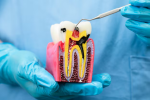



If your dentist in Grande Prairie at a dental clinic has suggested a deep cleaning, you might be feeling nervous. That is completely normal. Many patients ask the same question: Is deep cleaning painful? The answer is not that scary once you understand what the procedure actually involves.
What Is Deep Cleaning?
Deep cleaning is a dental procedure also called scaling and root planing. It is not the same as a regular cleaning. A regular cleaning only cleans the surface of your teeth. Deep cleaning goes below the gum line to remove tartar and bacteria that have built up over time.
Dentists recommend this procedure when a patient has gum disease, also called periodontal disease. When plaque and tartar sit below the gum line for too long, they cause infection. The gums start to pull away from the teeth, forming pockets. Deep cleaning treats this problem directly.
Is Deep Cleaning Painful?
This is the most common question patients ask before the procedure. The short answer is — it can cause some discomfort, but it is manageable.
Before starting, the dentist will apply local anesthesia to numb the area being treated. This means you will not feel sharp pain during the procedure. You may feel some pressure or vibration from the dental instruments, but it should not be painful while the anesthesia is active.
Some patients with very sensitive gums may feel more discomfort than others. It depends on how severe the gum disease is and how deep the tartar buildup goes. But the dentist will make sure you are comfortable throughout the process.
How Long Does Healing Take?
Once the anesthesia wears off, it is normal to feel some soreness. Here is what to expect after periodontal deep cleaning in the first few days:
- Day 1 to 2: Your gums may feel sore and tender. Some light bleeding while brushing is normal. Your teeth may feel sensitive to hot and cold foods.
- Day 3 to 4: The soreness usually starts to reduce. Swelling, if any, begins to go down. Sensitivity may still be present.
- Days 5 to 7: Most patients feel much better by this point. Gum tissue begins to heal and reattach to the teeth.
Full healing of the gum tissue can take around 4 to 6 weeks. During this time, the gums tighten back around the teeth, and the pockets become smaller.
Deep Cleaning Aftercare Tips
Following the right deep cleaning aftercare routine makes a big difference in how fast you heal. Here is what the dentist will likely recommend:
- Brush gently — Use a soft-bristled toothbrush. Brush twice a day, but be gentle near the treated areas.
- Rinse with saltwater or prescribed mouthwash — This helps reduce bacteria and keeps the gum tissue clean during healing.
- Avoid hard or crunchy foods — Stick to soft foods like yogurt, soup, or mashed potatoes for the first couple of days.
- Do not smoke — Smoking slows down the healing process and increases the risk of infection.
- Take prescribed medication — The dentist may prescribe antibiotics or anti-inflammatory medicine. Take them as directed.
- Attend follow-up appointments — A follow-up visit is usually scheduled 4 to 6 weeks after the procedure. The dentist will check the gum pockets and measure healing progress.
Final Thoughts
Deep cleaning is a necessary treatment for gum disease. Yes, there is some discomfort involved, but it is temporary. The procedure helps stop gum disease from getting worse and protects the health of your teeth and jawbone.
If you have been putting off visiting a dental clinic near you because you are worried about pain, talk to your dentist openly. A good dentist will explain every step and make sure you feel as comfortable as possible.
Say Goodbye To Plaque With Deep Cleaning!
At Gateway Dentistry Group, we provide professional dental care to help you maintain healthy teeth and gums. Our deep cleaning, also called scaling and root planing, removes plaque and tartar buildup below the gum line, preventing gum disease and tooth loss. Our skilled dentists use safe, gentle techniques to ensure comfort and effective results. Protect your smile and improve your oral health with our care today.
Frequently Asked Questions
How many visits does deep cleaning take?
Most patients need 2 visits. Each visit covers one side of the mouth.
Can deep cleaning damage teeth?
No. It removes harmful buildup and protects the teeth and gums.
How soon can you eat after deep cleaning?
Wait at least 2 hours for the anesthesia to wear off, then eat soft foods.
Will gum disease come back after deep cleaning?
It can return without proper oral hygiene. Regular brushing, flossing, and dental visits help prevent it.