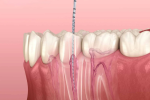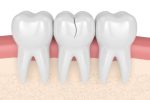



Wondering how a damaged tooth can be saved from infection? Root canal therapy in Grande Prairie is the treatment of choice for severely decayed or infected teeth. The procedure involves cleaning out the infected pulp of a tooth rather than removing it. Disinfecting and sealing the canals will prevent the infection from spreading to adjacent teeth and gums.
Table of Contents
Why Early Treatment Matters
If a tooth infection is not treated, it may spread to the other teeth or the jawbone or cause systemic issues. It’s best to see a Dentist in Grande Prairie early on to avoid complications. Getting treatment sooner rather than later can relieve pain and prevent abscess formation so that we can help you maintain your natural smile.
Step-by-Step Root Canal Process
Root canal treatment is quite simple, and generally, patients bear it without any problems. Just a short and simple step-by-step is as follows:
- Diagnosis: The extent of infection is determined through X-rays and physical examinations.
- Numbing: A local anesthetic makes the operation absolutely free of pain.
- Cleaning the Canals: Dentists remove pulp that is infected and bacteria.
- Shaping and Filling: After the cleaning and shaping, the canals are closed with a material that is safe.
- Restoration: A crown or a filling is used to restore and protect the tooth.
Benefits of Root Canal Treatment
Root canal therapy offers several benefits that go beyond saving a single tooth. Some of the key benefits of root canal treatment include:
- Preserves natural teeth and bite function.
- Prevents the spread of infection to nearby teeth.
- Reduces pain and swelling caused by infection.
- Maintains facial structure and appearance.
- Reduces the need for procedures that require surgical removal.
The above benefits are the reasons why root canal therapy is the preferred step over extraction.
Recovery and Aftercare
The majority of individuals feel a slight pain or discomfort after the operation. Knowing root canal recovery time can help you keep the right mood:
- Uncomfortable feelings and heightened sensitivity to stimuli normally last for 1–3 days.
- In most cases, pain-relieving medications available without a prescription are enough to control the pain.
- The consumption of soft food is advised for the first day or two after the treatment.
- Make sure that you do not eat hard foods with the tooth that has been treated until it is fully restored.
If you follow your dentist’s aftercare instructions, everything will heal properly and the results will last.
Tips for Maintaining a Treated Tooth
After root canal therapy, ensure you’re taking caution on dental health. Consider these tips.
- Brush twice a day and floss daily.
- Attend regular checkups with a dental clinic near you.
- Avoid chewing extremely hard foods on the treated tooth.
- Be on the lookout for any abnormal pain or swelling and report it.
Your treated tooth always requires proper maintenance for a lasting job.
When to See a Dentist
Seek professional care immediately if you notice.
- Continuous tooth pain or sensitivity.
- Swelling in the gums or face.
- Signs of infection, such as pus or fever.
- Loose or cracked restoration.
Visiting a dentist near you on the regular could help save you the hassle of facing any further complications.
Protect Your Teeth and Prevent Infection – Schedule a Visit Now!
Check that there are no complications and take care of your beautiful smile. Root canal treatment is a way to keep your own teeth. Get in touch with Gateway Dentistry Group to set up your visit today!
FAQs
How do I know if I need a root canal?
A tooth that turns dark in color and swelling in the gums are indications of damage. An early assessment by your dentist can tell if root canal therapy is needed.
Is root canal treatment painful?
No. New anesthesia makes root canal therapy mostly painless. Some discomfort after the procedure is normal. If needed, you may take a pain reliever.
How long does root canal recovery take?
Most patients recover within 1–3 days. Your complete healing may take a couple of weeks. However, it depends on how bad the infection was.
Can a treated tooth get infected again?
Though very uncommon, an infection may occur if the tooth is not sealed correctly or if decay forms around the filling. Regular visits to a dental clinic near you can prevent this.