

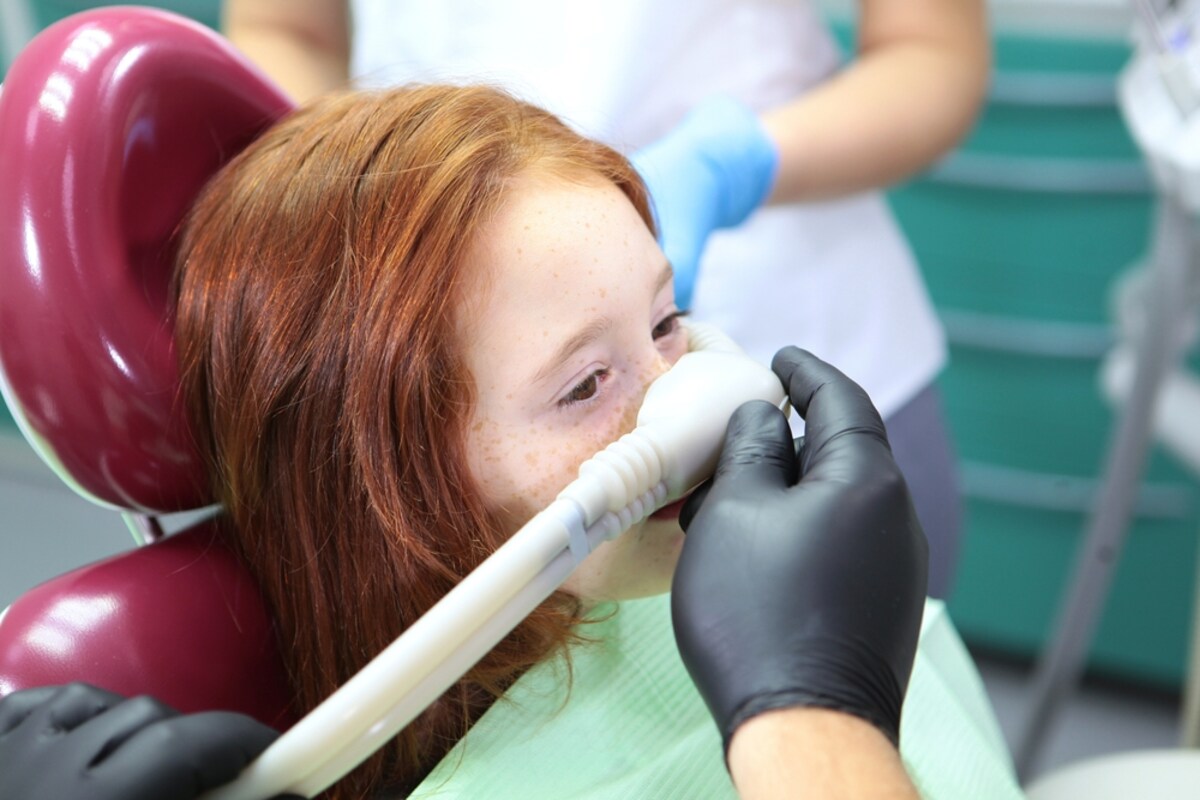
For many children, a trip to the dentist is a breeze. However, some kids require a little extra help to stay safe and comfortable during complex procedures. If you are looking for a dentist in Grande Prairie to care for your child’s oral health, you might hear the term “general anesthesia” mentioned. This guide explains what it is, why it is used, and how it helps young patients get the care they need without stress.
Table of Contents
Understanding General Anesthesia in Pediatric Care
General anesthesia is a controlled state of unconsciousness. Unlike freezing or laughing gas, which only numbs a small area or helps a child relax, general anesthesia ensures the child is completely asleep. This means they will not feel pain, move around, or remember the procedure afterward. In a clinical setting, this is managed by a team of professionals who continuously monitor the child’s heart rate, oxygen levels, and breathing. It is a vital tool for a dentist near you when standard methods of calming a child are not enough to ensure a successful treatment.Why Is General Anesthesia Used for Children?
Safety is the number one priority in any dental procedure. While many treatments can be done with local freezing, certain situations make a general anesthetic in Grande Prairie the best choice for a young patient.- Extensive Treatment Needs: If a child has many cavities or needs several extractions, doing them all at once under anesthesia is often easier than scheduling multiple stressful visits.
- Young Age: Very young children may not be able to sit still for long periods, which can make using sharp dental tools risky.
- High Anxiety or Phobia: Some children have a severe fear of dental work that cannot be managed with words or mild sedation.
- Special Needs: Children with physical, developmental, or cognitive disabilities may find it difficult to cooperate during standard dental care.
The Benefits of This Approach
| Feature | Local Freezing | General Anesthesia |
| Consciousness | Fully Awake | Completely Asleep |
| Movement | Child Must Stay Still | No Movement |
| Memory | Remembers The Sounds/Sights | No Memory Of The Procedure |
| Complexity | Simple Fillings | Major Surgery Or Multiple Repairs |
When Is It Specifically Recommended?
Your dental professional will only suggest general anesthesia when the benefits outweigh the risks. This usually occurs during comprehensive dental rehabilitation for children, in which all dental issues are addressed in a single session. Another common scenario involves surgical tooth extractions for pediatric patients. If a tooth is severely impacted or multiple teeth need to be removed from different areas of the mouth, anesthesia provides a controlled environment to complete the work quickly and safely.Preparing Your Child for the Appointment
Preparation is key to a smooth experience. Usually, parents are given a list of instructions to follow:- Fasting: Your child must not eat or drink for several hours before the procedure to prevent complications.
- Health Check: Ensure your child is healthy. If they have a cold, fever, or cough, the appointment might need to be rescheduled.
- Comfort: Bring a favourite blanket or stuffed toy for the recovery room to help them feel at ease when they wake up.